
Blog
The Future of Grassroots Football in the Czech Republic: Development, Technology and Opportunity
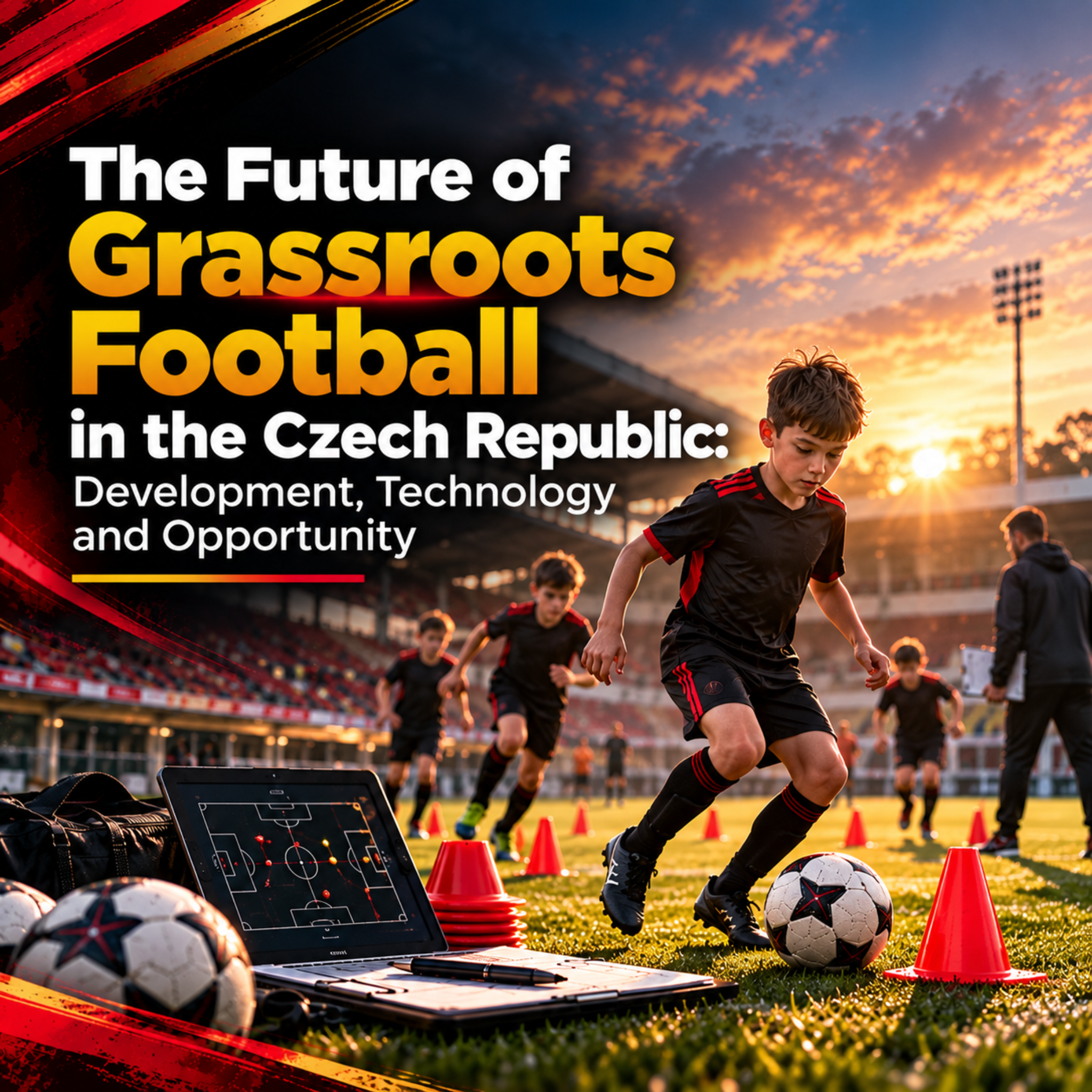
The future of Czech football begins long before a player steps onto a professional pitch. It starts at local clubs, school training sessions and community grounds where children learn their first skills, coaches build confidence and teams develop a love for the game.
Grassroots football provides the foundation for the wider football system. It gives people opportunities to play, supports youth development and creates roles for coaches, referees and volunteers. For the Czech Republic, maintaining this foundation will be important for both community participation and the future of competitive football.
The next stage of development will depend on practical improvements: better coaching, accessible facilities, responsible use of technology and stronger support for local clubs. These priorities are connected, and progress in one area can help improve the others.
Why Grassroots Football Matters in the Czech Republic
Grassroots football includes children's football, school programmes, amateur competitions and community participation outside the professional and elite game.
Its value goes beyond producing talented players. Local clubs help people stay active, learn teamwork and build relationships within their communities. They also give young players an opportunity to develop at their own pace.
UEFA reported in August 2025 that the Football Association of the Czech Republic (FAČR) had reached its target of 360,000 registered players across approximately 3,500 clubs by the end of 2024. These figures demonstrate the scale of the country's football network and the importance of maintaining strong foundations.
For this network to remain healthy, clubs need more than players. They need capable coaches, suitable facilities, effective administration and an environment where people feel welcome.
1. Improving Coaching and Youth Development
A young player's experience often depends on the quality of coaching they receive. Clear instruction, useful feedback and training suited to their age can make football more enjoyable while helping them improve.
Grassroots coaching should not simply copy professional training methods. Children need opportunities to practise basic skills, make decisions, play with confidence and learn from mistakes.
Clubs can strengthen their coaching programmes through:
- • Regular coach education and practical workshops.
- • Training sessions suited to different ages and abilities.
- • Clear communication with players and parents.
- • Appropriate recovery, injury prevention and welfare practices.
- • Development plans that recognise individual progress.
Smaller clubs may have limited budgets or depend heavily on volunteers. Regional workshops and knowledge-sharing arrangements can help them access new ideas without building every resource independently.
The objective is to improve the quality of training while recognising that each club has different needs and resources.
2. Using Technology Where It Makes a Difference
Technology is becoming more accessible across football. Grassroots clubs do not necessarily need expensive systems to improve how they organise activities or support their players.
Video analysis
Short recordings of training sessions or matches can help coaches explain positioning, movement and decision-making. A player may understand a tactical point more clearly when they can see the situation rather than hear only a verbal explanation.
Video should remain a coaching aid. Young players still need personal feedback, practical training and encouragement.
Digital club management
Digital tools can simplify registration, attendance records, fixture planning and communication with families. Better administration can also reduce the workload placed on volunteers.
Player development records
Coaches can use simple records to track attendance, training objectives and progress over time. More advanced performance tools may be appropriate for clubs with the budget and expertise to use them properly.
However, more data does not automatically mean better development. Measurements should be relevant to the player and interpreted in context.
Clubs must also handle personal information responsibly. Before recording or sharing footage of young players, they should consider consent, privacy, access permissions and safeguarding requirements.
Technology is most useful when it solves a real problem. It should support coaching and organisation rather than become an expense without a clear purpose.
3. Making Football Facilities More Accessible
Good coaching needs a suitable place to take place. Pitch availability, changing facilities, equipment and maintenance can all affect how often teams train and how many people a club can accommodate.
Some communities may need additional facilities, while others could benefit from better use of existing school or municipal pitches. Understanding local demand should come before major investment.
Clubs, schools, municipalities and football organisations can work together to:
- • Coordinate access to existing pitches.
- • Improve maintenance and equipment management.
- • Share suitable training resources.
- • Plan facility upgrades around participation needs.
- • Seek funding for clearly defined projects.
Facility development should account for operating costs and future maintenance, not just construction. A project is more useful when the community can continue using and maintaining it over time.
UEFA's grassroots development framework emphasises sustainable planning, suitable football environments and the development of local clubs.
4. Making Grassroots Football More Inclusive
A strong grassroots system should give people of different ages, abilities and backgrounds a fair opportunity to participate.
Practical barriers can prevent people from joining or remaining involved. These may include participation costs, transport, unsuitable facilities or a lack of beginner-friendly sessions.
Clubs can respond by offering introductory activities, improving accessibility, supporting girls' participation and communicating clearly with families about fees and requirements.
The behaviour of coaches, parents and players matters too. Young people should feel able to learn, make mistakes and enjoy football without unnecessary pressure.
Inclusion is not separate from football development. When clubs create a positive environment, they can encourage more people to participate and remain connected to the game—as players, volunteers, coaches or supporters.
UEFA's grassroots framework identifies players, the football environment, the game and the workforce as important areas for development.
5. Building Sustainable Local Football Clubs
Grassroots clubs need reliable resources to maintain facilities, purchase equipment, train coaches and organise competitions. Membership fees may cover some costs, but community partnerships and sponsorship can provide additional support.
Local businesses may be interested in supporting youth tournaments, equipment programmes or community football activities. Clubs need to explain what the support will fund and how the project will benefit participants.
A practical approach includes:
- • Preparing a realistic annual budget.
- • Identifying potential local sponsors and community partners.
- • Defining how contributions will be used.
- • Assigning responsibility for administration and reporting.
- • Reviewing costs and participation regularly.
Clubs should avoid building programmes that depend entirely on short-term funding. Before starting an initiative, they need to consider how it will continue once the initial support ends.
Sustainability is about managing resources carefully and creating a club structure that can serve its community over time.
6. How Partnerships Can Create New Opportunities
Cooperation between clubs, schools, football organisations and suitable commercial partners can help grassroots programmes reach more people.
For example, a community club might work with a school to organise introductory football sessions. An academy could host coaching workshops for nearby clubs, while a regional tournament could give young players additional competitive experience.
Partnerships may also help organisations share facilities, coordinate events and approach potential sponsors with a clearly defined project.
International cooperation can offer additional opportunities to exchange coaching knowledge and compare development methods. However, the value depends on the quality of the activity, not simply on whether a partner is based abroad.
Each project should have a clear purpose, realistic costs and agreed responsibilities. When those elements are in place, partnerships can help local clubs access expertise and resources that might otherwise be difficult to obtain.
Where SHM Fits Into the Wider Sports Industry
Grassroots football is part of a wider sports ecosystem that includes talent development, athlete welfare, branding,marketing and strategic management.
SHM (Sports Hub Management) lists services including talent management, consultations, investments, athlete healthcare, branding and Marketing & PR. Its website also describes its involvement in European sports opportunities, with a particular focus on football and sports infrastructure.
These areas are relevant to the broader environment in which clubs, athletes and sports organisations operate. The requirements of a community club, however, may differ considerably from those of a professional team or an investment project.
Organisations considering sports-related opportunities can review SHM's services and discuss whether they are relevant to their particular objectives.
Conclusion
The future of grassroots football in the Czech Republic will depend on the environment created for players, coaches and local communities.
Better coaching, responsible technology, accessible facilities, inclusive participation and sound club management can all strengthen the foundations of the game. Progress will require cooperation between clubs, schools, municipalities and suitable partners.
Not every improvement needs a large investment. Clearer planning, better communication and regular coach development can also make a difference.
By focusing on the needs of local players and building sustainable programmes, Czech football can continue to provide opportunities for people to learn, compete and remain involved in the sport.
Frequently Asked Questions
Grassroots football includes children's and school football, amateur teams and community participation outside the professional and elite game. It provides opportunities to play, learn skills and remain active.
Clubs can support coach education, age-appropriate training, constructive feedback and safe playing environments. Partnerships can also help smaller clubs share knowledge and resources.
Video analysis, digital scheduling and basic player development records can support coaching and administration. Clubs should choose tools that meet their needs and handle player information responsibly.
Accessible, well-maintained facilities allow clubs to organise regular training and accommodate participants. Cooperation with schools and municipalities can help make better use of existing spaces.
Clubs can prepare realistic budgets, build relationships with local businesses and seek suitable funding for clearly defined projects. Transparent management helps partners understand how their contributions will be used.